粒细胞集落刺激因子(GCSF)活性蛋白
Active Colony Stimulating Factor 3, Granulocyte (GCSF)
CSF3; G-CSF; Granulocyte Colony Stimulating Factor; Pluripoietin; Filgrastim; Lenograstim
- 编号APA042Mu01
- 物种Mus musculus (Mouse,小鼠)相同的名称,不同的物种。
- 缓冲液成份20mM Tris, 150mM NaCl缓冲液(pH8.0, 含有1mM EDTA, 1mM DTT, 0.01% SKL, 5% Trehalose和Proclin300)
- 性状冻干粉
- 纯度> 90%
- 等电点-
- 应用Cell culture; Activity Assays.
- 下载英文说明书 中文说明书
- 规格10µg50µg200µg1mg5mg
- 价格¥ 1901¥ 4752¥ 9504¥ 28512¥ 71280
- 欲了解实际交易价格和更多情况,请与当地经销商联系!
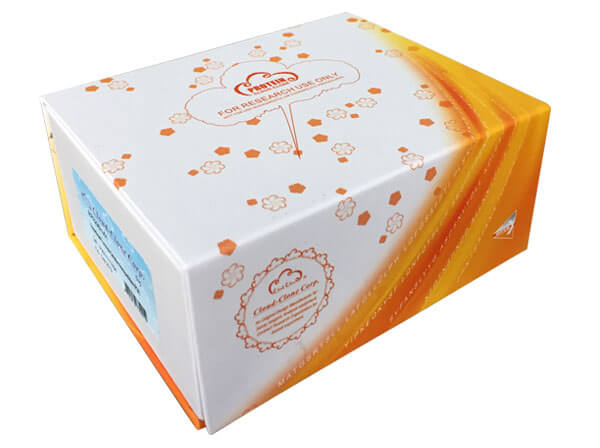 产品包装(模拟)
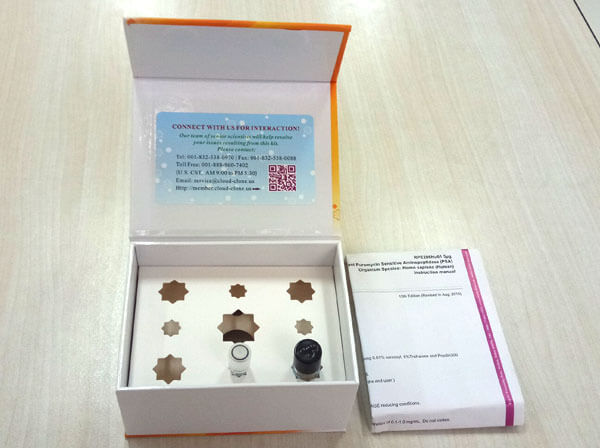 产品包装(模拟)
 通过ISO 9001、ISO 13485质量体系认证
活性实验
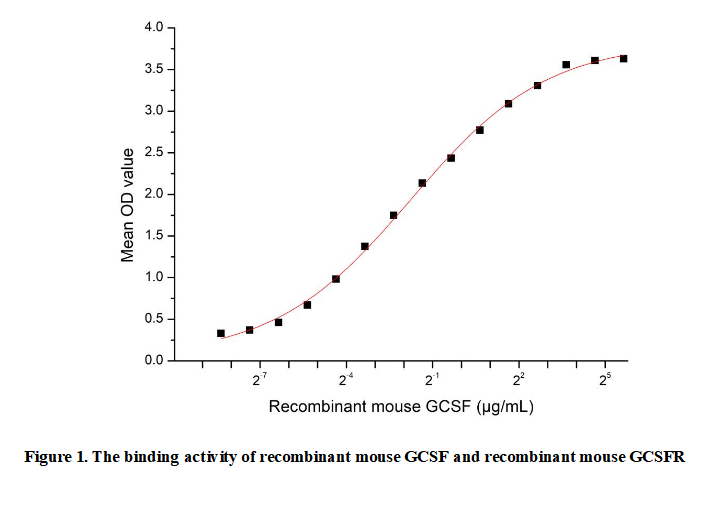
Colony Stimulating Factor 3, Granulocyte (GCSF) is a cytokine primarily produced by monocytes, macrophages, and endothelial cells. It plays a crucial role in regulating the proliferation, differentiation, and survival of neutrophils, a type of white blood cell essential for combating bacterial infections. G-CSF is widely used clinically to accelerate neutrophil recovery in patients undergoing chemotherapy or hematopoietic stem cell transplantation. It binds specifically to the Colony Stimulating Factor Receptor, Granulocyte (GCSFR), a member of the cytokine receptor family expressed on myeloid progenitor cells and mature neutrophils, thereby initiating intracellular signaling pathways that promote cell growth and function.To detect the activity of recombinant GCSF a functional ELISA assay was performed to evaluate the interaction between recombinant mouse GCSF and recombinant mouse GCSFR.Briefly, GCSF was diluted serially in PBS with 0.01% BSA (pH 7.4). Duplicate samples of 100 μl were then transferred to GCSFR-coated microtiter wells and incubated for 1h at 37℃. Wells were washed with PBST and incubated for 1h with anti-GCSF pAb, then aspirated and washed 3 times. After incubation with HRP labelled secondary antibody for 1h at 37℃, wells were aspirated and washed 5 times. With the addition of substrate solution, wells were incubated 15-25 minutes at 37℃. Finally, add 50 µL stop solution to the wells and read at 450/630nm immediately. The binding activity of recombinant mouse GCSF and recombinant mouse GCSFR was shown in Figure 1, the EC50 for this effect is 0.296µg/mL.
用法
Reconstitute in 20mM Tris, 150mM NaCl (PH8.0) to a concentration of 0.1-1.0 mg/mL. Do not vortex.
储存
避免反复冻融。2-8°C不超过一个月,-80°C不超过12个月。
稳定性
热稳定性以损失率显示。损失率是由加速降解试验决定,具体方法如下:在37°C孵育48小时,没有显著的降解或者沉淀产生。保质期内,在适当的条件下存储,损失率低于5%。
增值服务
相关产品
| 编号 | 适用物种:Mus musculus (Mouse,小鼠) | 应用(仅供研究使用,不用于临床诊断!) |
| APA042Mu62 | 粒细胞集落刺激因子(GCSF)活性蛋白 | Cell culture; Activity Assays. |
| RPA042Mu02 | 粒细胞集落刺激因子(GCSF)重组蛋白 | Positive Control; Immunogen; SDS-PAGE; WB. |
| EPA042Mu61 | 粒细胞集落刺激因子(GCSF)真核蛋白 | Positive Control; Immunogen; SDS-PAGE; WB. |
| EPA042Mu62 | 粒细胞集落刺激因子(GCSF)真核蛋白 | Positive Control; Immunogen; SDS-PAGE; WB. |
| APA042Mu01 | 粒细胞集落刺激因子(GCSF)活性蛋白 | Cell culture; Activity Assays. |
| RPA042Mu01 | 粒细胞集落刺激因子(GCSF)重组蛋白 | Positive Control; Immunogen; SDS-PAGE; WB. |
| PAA042Mu01 | 粒细胞集落刺激因子(GCSF)多克隆抗体 | WB; IHC; ICC; IP. |
| PAA042Mu02 | 粒细胞集落刺激因子(GCSF)多克隆抗体 | WB; IHC; ICC; IP. |
| SEA042Mu | 粒细胞集落刺激因子(GCSF)检测试剂盒(酶联免疫吸附试验法) | Enzyme-linked immunosorbent assay for Antigen Detection. |
| MEA042Mu | 粒细胞集落刺激因子(GCSF)检测试剂盒(酶联免疫吸附试验法,小样本) | Enzyme-linked immunosorbent assay for Antigen Detection. |
| SCA042Mu | 粒细胞集落刺激因子(GCSF)检测试剂盒(化学发光免疫分析法) | Chemiluminescent immunoassay for Antigen Detection. |
| LMA042Mu | 粒细胞集落刺激因子(GCSF)等多因子检测试剂盒(流式荧光发光法) | FLIA Kit for Antigen Detection. |
参考文献
| 杂志 | 参考文献 |
| Scientific Reports | The Transcriptional Foundations of Sp110-mediated Macrophage (RAW264. 7) Resistance to Mycobacterium tuberculosis H37Ra[Pubmed:26912204] |
| International Journal of Clinical and Experimental Pathology | Low-density neutrophils in severe fever with thrombocytopenia syndrome (SFTS) display decreased function to phagocytose SFTS virus and enhanced capacity to synthesize cytokines[ISSN:1936-2625/IJCEP0045334] |
| International Immunopharmacology | Ginsenoside Rg3 improves cyclophosphamide-induced immunocompetence in Balb/c mice[Pubmed: 30974284] |
| Mol Immunol | Oridonin alleviates kanamycin-related hearing loss by inhibiting NLRP3/caspase-1/gasdermin D-induced inflammasome activation and hair cell pyroptosis[Pubmed:35749835] |